Select an operational focus to review the grassroots field manual, de-escalation communication protocols, enterprise licensing, or implementation questions.
The Book & Mission
The 3RT Framework
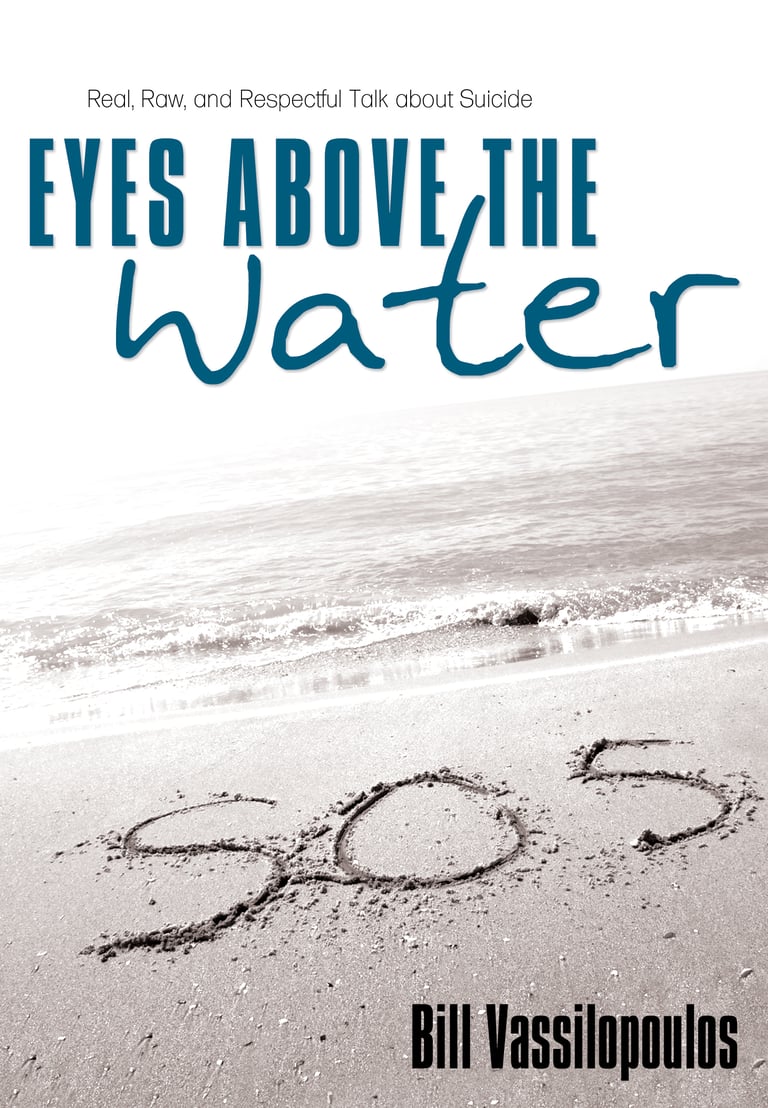
Eyes Above the Water delivers grassroots suicide intervention and mental health resilience for frontline communities, educators, and first responders. Structured, evidence-informed skills prevent crisis.
Real, Raw, and Respectful about Suicide Talk equips helpers to break stigma and hold decisive ground during acute human crisis through verified, de-escalating communication steps.
Institutional & Academic Packages
FAQ / Q&A
Scalable Village Empowerment Bundles and Master Study Guides tailored for schools, first responder agencies, and municipal healthcare teams to operationalize life-saving resilience training.
Practical answers addressing curriculum deployment, clinical boundaries, grassroots facilitator certification, and how frontline staff bridge immediate safety support without delay.
Eyes Above the Water


Eyes Above the Water: A Grassroots Field Manual for Crisis Intervention
Bill Vassilopoulos is an author, crisis intervention specialist, and former human services program manager with nearly ten years of experience delivering certified crisis intervention training, including Applied Suicide Intervention Skills Training (ASIST) and Psychological First Aid (PFAI). Combining frontline institutional leadership with over 35 years of lived experience as a suicide attempt survivor, Vassilopoulos develops practical, community-anchored frameworks designed to bridge the gap between early distress detection and professional systems of care.
Publication Overview: Eyes Above the Water
Traditional suicide prevention models frequently rely on heavy institutional gatekeeping and administrative processes that miss early indicators of acute distress. Eyes Above the Water is a compact, 136-page operational manual engineered to equip community networks, higher education institutions, and frontline peers with actionable, skills-based intervention protocols.
Grounded in qualitative research and extensive interviews with emergency psychiatric nurses, educators, guidance counselors, faith leaders, and healthcare families, the manual translates complex crisis response dynamics into a clear, operational framework.